… forwarding …
From: Social Housing for All! <socialhousing@
Date: Tue, May 6, 2025 at 7:28 PM
Subject: <Press Alert> Tour of Montgomery County’s Premier Social Housing Project Draws Significant Interest and Praise
Contact Debby Hanrahan, (202) 462-2054
debby@savedcpublicland.org
Tour of Montgomery County's Premier Social Housing Project Draws Significant Interest and Praise
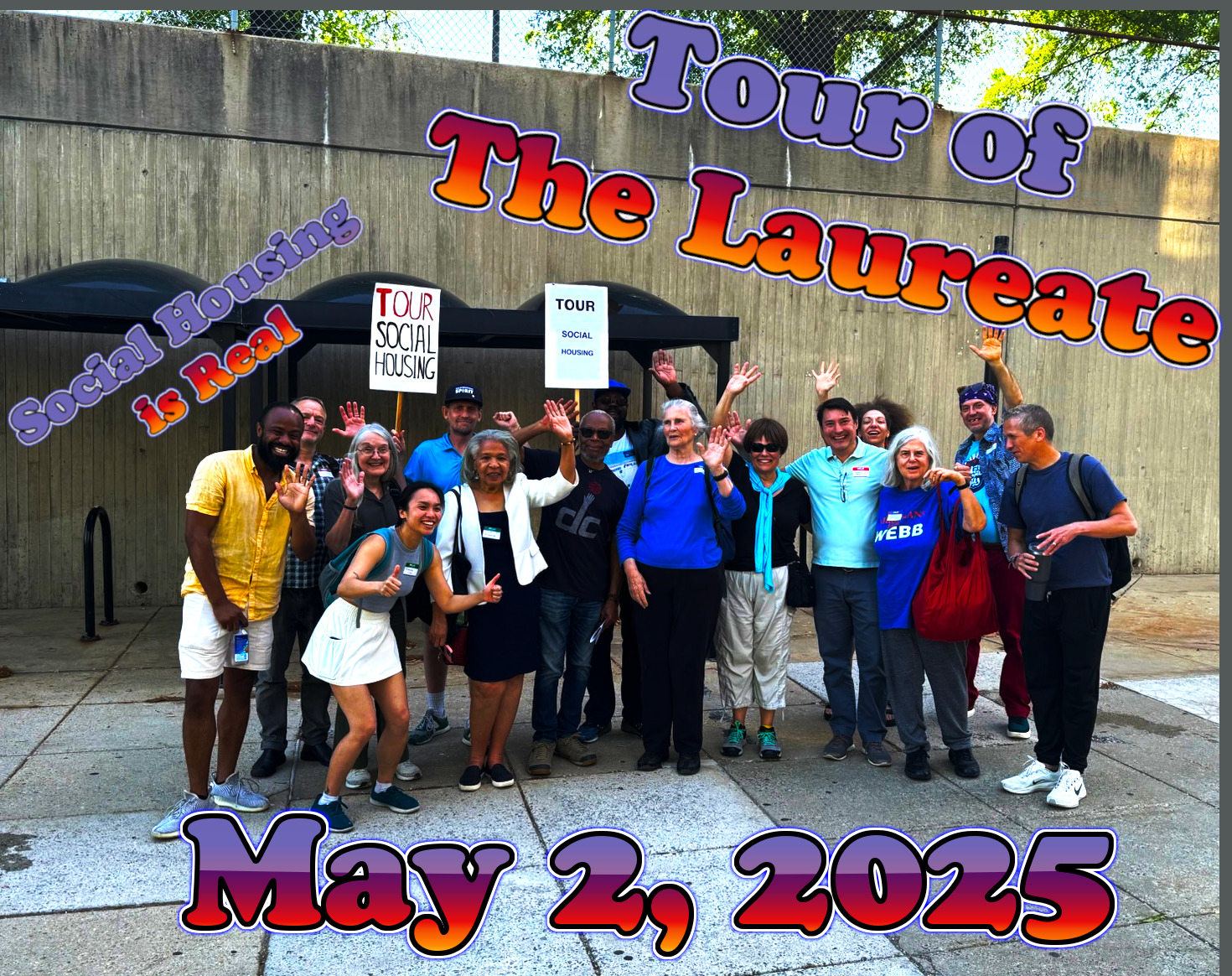
“How fortunate is DC that a viable solution to our city's affordable housing crisis lies just at the end of the red line?” pondered Rondell “Magic” Jordan, DC public property advocate and participant in the failing DC Inclusionary Zoning program.
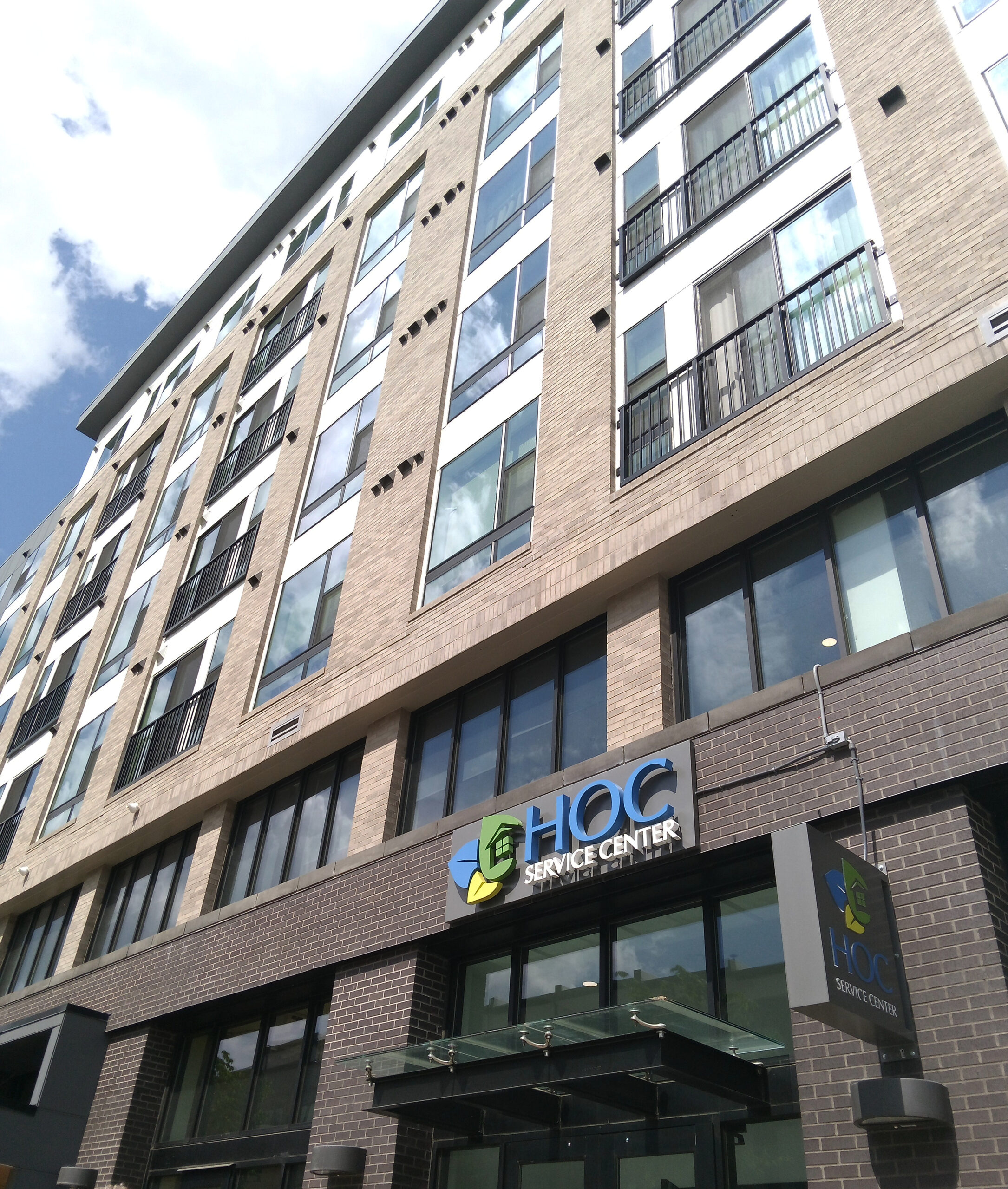
Once a stalled private development, the Laureate was revived through innovative public intervention. Rather than let the project collapse, Montgomery County stepped in with bond financing, securing a 90% stake in both the land and future profits. The original development team has a 10% ownership stake, was compensated for their entitlement work, and now manages the property's operations on behalf of the County.
“There's real help to be found in this municipal housing model,” said Damiana Dendy of DC Jobs With Justice. “Social housing is self-sustaining and predictable in part because it's insulated from the whims of shifting federal policy and federal funding every election cycle.”
“It's not what you would normally see in traditional public housing – it's diverse, dignified, and welcoming. Plus, there is a real local stake in ensuring it stays that way,” said James Salt, a member of Democratic Socialists of America and DC public property advocate.
“It was exciting to see a housing finance model that doesn't have to surrender the candy store to the private sector,” said Laura Richards, longtime Ward 7 resident, Committee of 100 member, and formerly a member of the zoning board. “Too often—McMillan, Takoma Metro, West End—public land has been handed over for token amounts of affordable housing. The result is luxury development with little community return. We need a new approach—one that keeps land in public hands and serves the public good.”
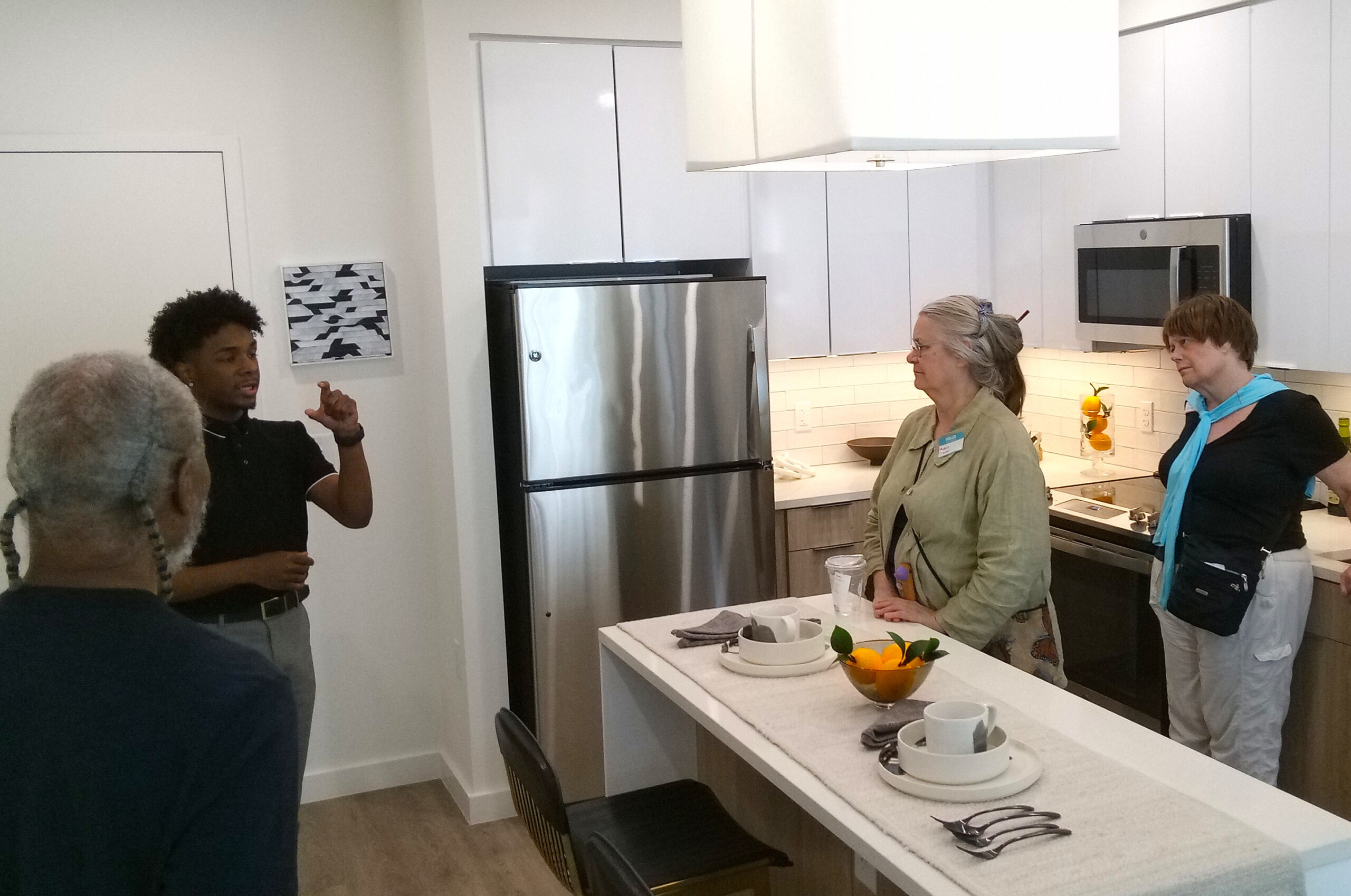
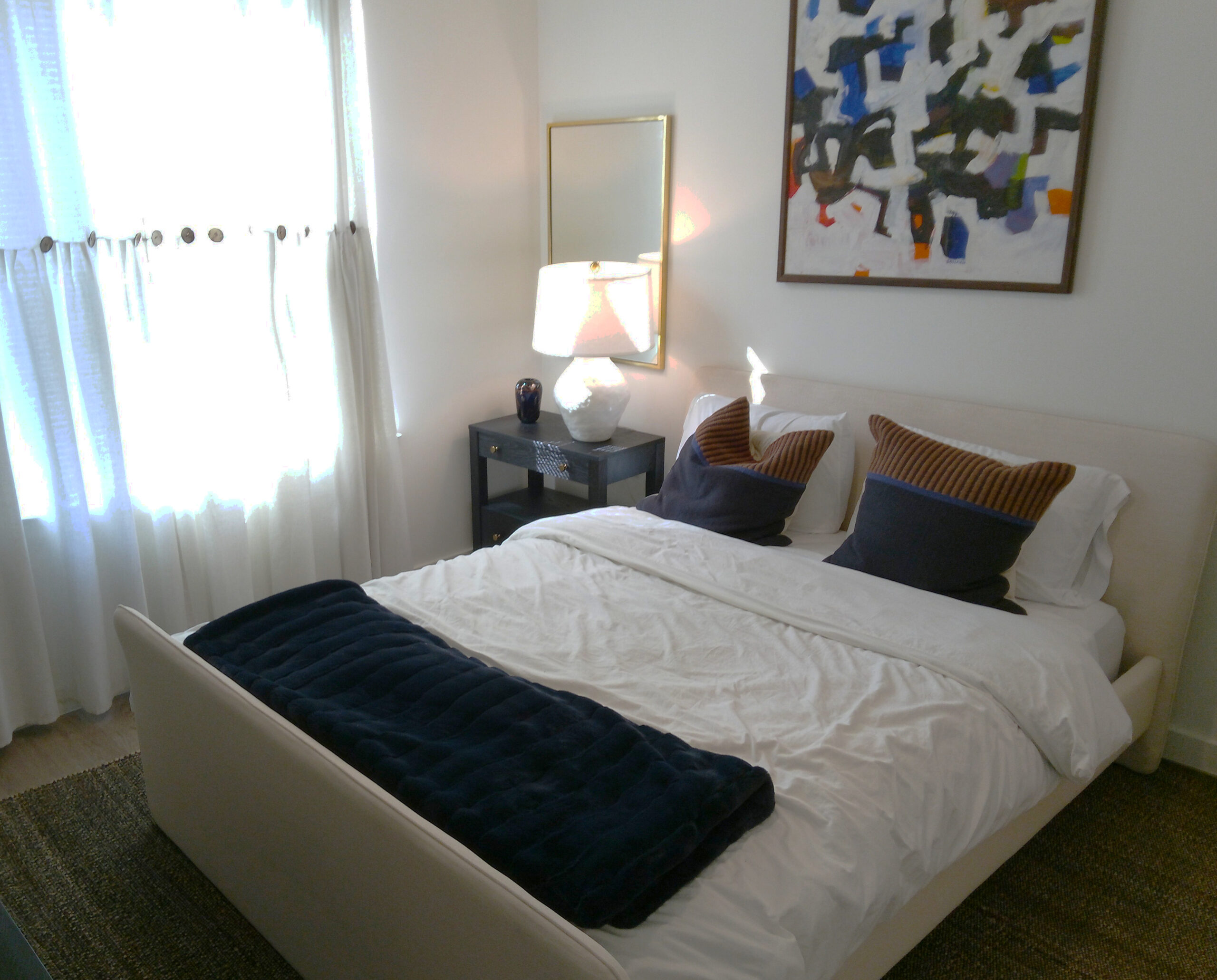
Representatives from Montgomery County's housing agency and Laureate staff guided the tour group through model units and explained the project's financing structure, answering questions about how the project was tailored to the county's affordability needs. Notably, the Laureate includes three-bedroom units — a requirement in the deal to accommodate families.
“This model flips the old script,” said Kerry Kemp, Ward 2 resident living nearby 1617 U Street, NW. “Instead of giving away land, air rights, and tax breaks to developers promising to include some short-term affordability, maybe, this project is showing how municipal control can guarantee long-term affordability and community stability and in doing so also capture real equity to produce even more!”
“If DC can prioritize time and money for stadiums, it can find the time and money for social housing,” said Will Merrifield, Director for The Center for Social Housing and Public Investment. “Otherwise, all this talk about equitable development absolutely rings hollow.”

—